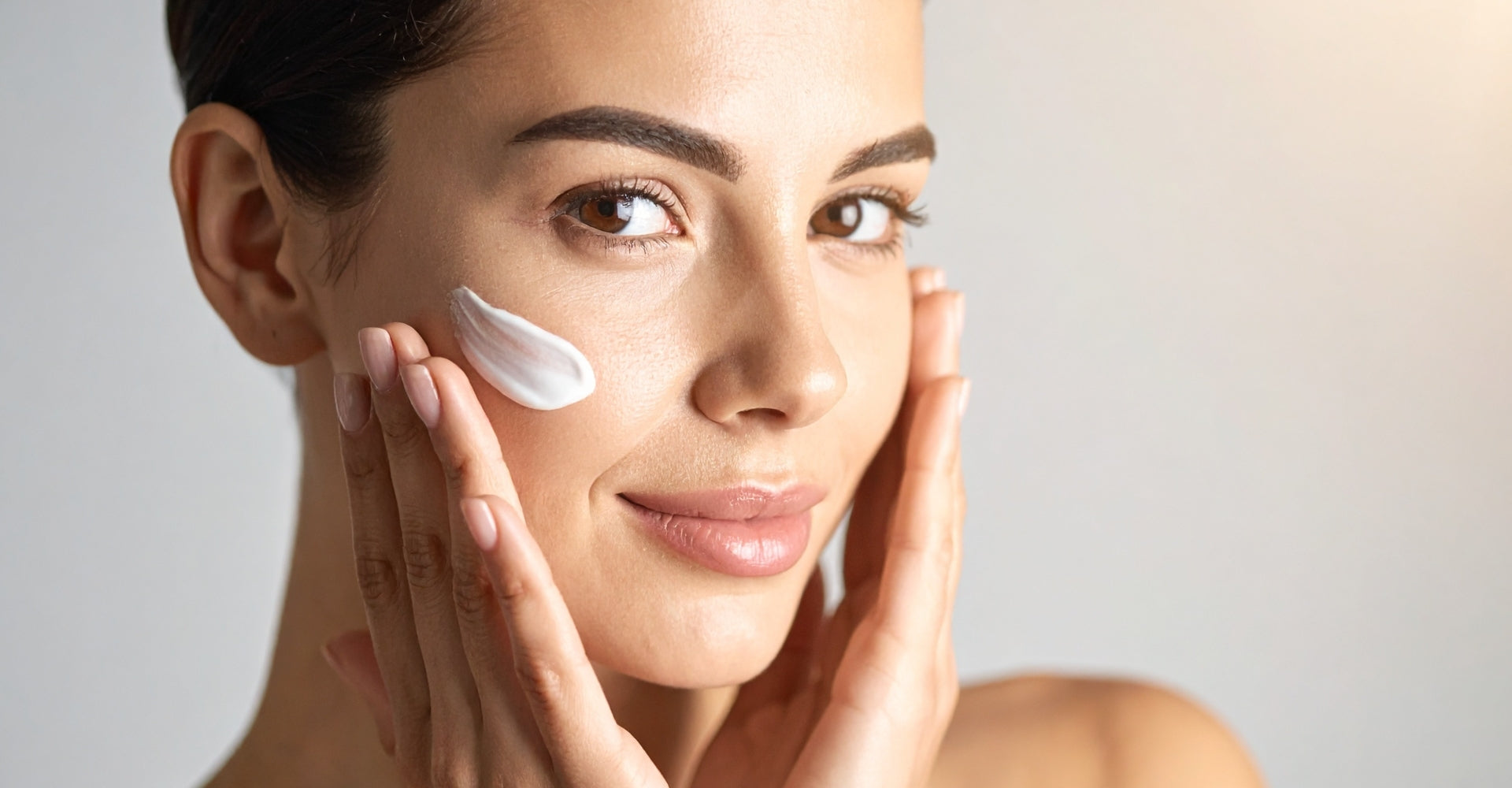
The Ultimate Daily Skincare Routine for Women: Achieve Radiant and Healthy Skin

Taking care of your skin is not just a matter of aesthetics; it’s a crucial part of maintaining overall health and well-being. A well-crafted daily skincare routine tailored to your specific skin type and needs can help you achieve radiant and healthy skin. This comprehensive guide outlines an effective daily skincare routine for women, covering everything from morning to night, including tips and product recommendations.
Understanding Your Skin Type
Before diving into the specifics of a daily skincare routine, it’s essential to identify your skin type. Knowing your skin type will help you choose the right products and treatments. The main skin types are:
- Normal Skin: Balanced, clear, and not sensitive.
- Oily Skin: Shiny, prone to blackheads and breakouts.
- Dry Skin: Flaky, rough, and often itchy.
- Combination Skin: Oily in some areas (like the T-zone) and dry in others.
- Sensitive Skin: Easily irritated, prone to redness and reactions.
Morning Skincare Routine
1. Cleansing
Start your day by cleansing your face to remove any oil and impurities that have accumulated overnight.
- Normal Skin: Use a gentle foaming cleanser.
- Oily Skin: Opt for a gel-based or salicylic acid cleanser.
- Dry Skin: Use a hydrating, creamy cleanser.
- Combination Skin: Use a gentle cleanser that balances both oily and dry areas.
- Sensitive Skin: Choose a fragrance-free, hypoallergenic cleanser.
2. Toning
Toners help to balance the skin’s pH and prep it for the next steps in your routine.
- Look for alcohol-free toners with soothing ingredients like chamomile, rose water, or witch hazel.
3. Serum
Serums are concentrated treatments that address specific skin concerns. They penetrate deeper into the skin than moisturizers.
- For hydration: Hyaluronic acid serum.
- For brightening: Vitamin C serum.
- For anti-aging: Peptide or retinol serum (use a lower concentration in the morning if you’re using retinol).
4. Eye Cream
The skin around your eyes is delicate and prone to showing signs of aging and fatigue.
- Choose an eye cream with ingredients like caffeine (to reduce puffiness) or hyaluronic acid (for hydration).
5. Moisturizing
Moisturizers help to lock in hydration and create a protective barrier on your skin.
- Normal Skin: A lightweight, non-greasy moisturizer.
- Oily Skin: A gel-based, oil-free moisturizer.
- Dry Skin: A rich, hydrating cream.
- Combination Skin: A gel-cream moisturizer.
- Sensitive Skin: A fragrance-free, soothing moisturizer.
6. Sun Protection
Sunscreen is a crucial step to protect your skin from harmful UV rays, which can cause premature aging and skin cancer.
- Use a broad-spectrum sunscreen with at least SPF 30.
- Look for sunscreens that suit your skin type: non-comedogenic for oily skin, moisturizing for dry skin, and mineral-based for sensitive skin.
Evening Skincare Routine
1. Makeup Removal
If you wear makeup, start your evening routine by thoroughly removing it.
- Use a gentle makeup remover or micellar water to ensure all makeup is gone before cleansing.
2. Cleansing
Just like in the morning, cleansing your skin in the evening is essential to remove dirt, oil, and makeup.
- Consider a double cleanse: Start with an oil-based cleanser to break down makeup and sunscreen, followed by a water-based cleanser to clean your skin.
3. Exfoliating (2-3 times a week)
Exfoliating helps to remove dead skin cells and promote cell turnover, resulting in a brighter and smoother complexion.
- Physical exfoliants: Scrubs with fine granules.
- Chemical exfoliants: Products with AHAs (like glycolic acid) or BHAs (like salicylic acid).
4. Toning
Apply toner to help balance your skin’s pH and remove any remaining impurities.
- Use the same toner as in your morning routine or one with calming ingredients for nighttime use.
5. Treatment Serums
Evening is the perfect time to use treatment serums that address specific concerns like aging, pigmentation, or acne.
- Retinol: Helps with anti-aging and acne. Start with a low concentration and gradually increase.
- Niacinamide: Reduces redness and improves skin texture.
- Hydrating serums: Hyaluronic acid or peptides for added moisture.
6. Eye Cream
Apply an eye cream to hydrate and treat the delicate skin around your eyes.
- Use a nourishing eye cream with ingredients like peptides, retinol (in low concentration), or hyaluronic acid.
7. Moisturizing
Finish your evening routine with a good moisturizer to keep your skin hydrated and to lock in all the previous layers of product.
- Consider using a thicker, more nourishing cream at night.
8. Overnight Treatments
Overnight masks or treatments can provide intense hydration and repair while you sleep.
- Sleeping masks: These are usually richer and more hydrating, perfect for dry skin.
- Spot treatments: Use if you have specific areas that need extra care, like acne or hyperpigmentation spots.
Weekly Skincare Extras
1. Masks
Using a face mask once or twice a week can give your skin an extra boost.
- Clay masks: Great for oily and acne-prone skin.
- Sheet masks: Infused with various serums for different skin concerns.
- Hydrating masks: Perfect for dry and sensitive skin types.
2. Facial Massage
Incorporating a facial massage can help with lymphatic drainage, reduce puffiness, and improve blood circulation.
- Use a facial roller or your hands with a bit of facial oil or serum for a soothing massage.
3. Professional Treatments
Consider visiting a dermatologist or a professional esthetician for treatments like chemical peels, microdermabrasion, or facials tailored to your skin’s needs.
Lifestyle Tips for Healthy Skin
Your daily habits and lifestyle choices also play a significant role in the health of your skin.
1. Hydration
- Drink plenty of water throughout the day to keep your skin hydrated from within.
2. Diet
- Eat a balanced diet rich in fruits, vegetables, lean proteins, and healthy fats. Foods high in vitamins A, C, and E, and omega-3 fatty acids are particularly beneficial for your skin.
3. Sleep
- Aim for 7-9 hours of quality sleep each night. Your skin repairs itself while you sleep, so getting enough rest is crucial.
4. Stress Management
- Chronic stress can take a toll on your skin, leading to issues like breakouts and dullness. Practice stress-reducing activities such as yoga, meditation, or regular exercise.
5. Avoid Smoking and Limit Alcohol
- Smoking accelerates aging and damages skin fibers. Excessive alcohol consumption can dehydrate your skin and cause inflammation.
Conclusion
Creating and sticking to a daily skincare routine tailored to your skin type and needs can significantly improve the health and appearance of your skin. Remember, consistency is key, and it may take some time to see the results. By following these steps and incorporating healthy lifestyle choices, you’ll be on your way to achieving radiant, glowing skin.