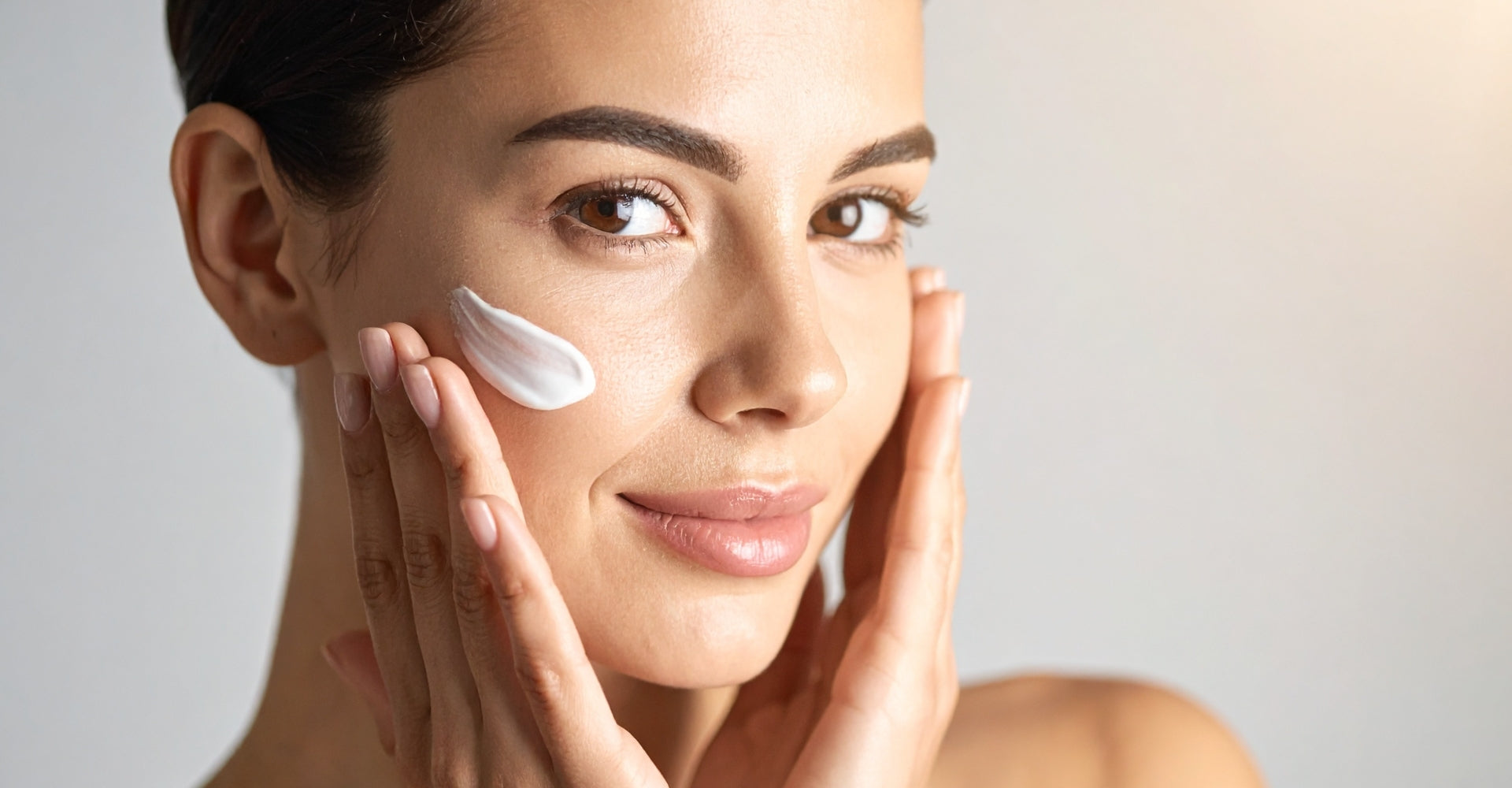
Unlocking Radiant Skin: A Comprehensive Guide to Skincare

Achieving glowing, healthy skin is a common goal for many. With the myriad of products and advice available, it can be overwhelming to determine the best approach for your skincare routine. This comprehensive guide aims to simplify the process, offering practical tips and insights to help you unlock your best skin.
Understanding Your Skin Type
Before diving into specific skincare tips, it's crucial to understand your skin type. There are generally five skin types:
- Normal Skin: Balanced, not too oily or dry, few imperfections.
- Oily Skin: Characterized by excess sebum production, prone to acne and enlarged pores.
- Dry Skin: Lacks moisture, can feel tight, often flaky or rough.
- Combination Skin: Mix of oily and dry areas, typically oily T-zone (forehead, nose, chin) with dry cheeks.
- Sensitive Skin: Easily irritated, prone to redness and allergic reactions.
Identifying your skin type helps in choosing the right products and treatments.
The Essentials of a Skincare Routine
A basic skincare routine involves cleansing, toning, and moisturizing. However, depending on your skin’s needs, you might want to include additional steps such as exfoliating and applying serums.
1. Cleansing
Cleansing is the cornerstone of any skincare routine. It removes dirt, oil, and impurities that can clog pores and cause breakouts.
- Morning: Use a gentle cleanser to refresh your skin and remove overnight impurities.
- Evening: Opt for a more thorough cleanse to remove makeup, sunscreen, and the day's grime. Consider a double cleanse if you wear heavy makeup or sunscreen: start with an oil-based cleanser followed by a water-based one.
2. Toning
Toners help balance the skin’s pH and prepare it for better absorption of subsequent products.
- Choose alcohol-free toners to avoid drying out your skin.
- Look for ingredients like witch hazel, rose water, or chamomile for soothing effects.
3. Moisturizing
Moisturizing keeps your skin hydrated and locks in moisture.
- For oily skin: Use a lightweight, oil-free moisturizer.
- For dry skin: Opt for a richer, more hydrating cream.
- For combination skin: Use a gel-based moisturizer on the oily areas and a creamier one on the dry areas.
4. Sun Protection
Sunscreen is a non-negotiable step in your morning routine. UV rays can cause premature aging, sunburn, and increase the risk of skin cancer.
- Use broad-spectrum sunscreen with at least SPF 30.
- Reapply every two hours if you’re outdoors, and immediately after swimming or sweating.
Advanced Skincare Steps
For those looking to elevate their skincare routine, consider incorporating the following steps:
1. Exfoliating
Exfoliation removes dead skin cells, promoting cell turnover and preventing clogged pores.
- Physical exfoliants: Scrubs with small granules. Use 1-2 times a week.
- Chemical exfoliants: Products with AHAs (like glycolic acid) or BHAs (like salicylic acid). These are generally gentler and can be used more frequently depending on your skin’s tolerance.
2. Serums
Serums are concentrated treatments targeting specific skin concerns such as aging, hyperpigmentation, or hydration.
- For anti-aging: Look for serums with retinol, peptides, or vitamin C.
- For hydration: Hyaluronic acid is a powerful humectant that draws moisture into the skin.
- For brightening: Niacinamide and vitamin C can help even out skin tone and reduce discoloration.
3. Masks
Facial masks can provide a deep treatment for various skin issues.
- Clay masks: Great for oily and acne-prone skin as they absorb excess oil.
- Hydrating masks: Ideal for dry and sensitive skin, often containing ingredients like hyaluronic acid and aloe vera.
- Sheet masks: Infused with serums for various skin benefits, providing an instant boost of hydration and nutrients.
Lifestyle Factors Affecting Skin Health
Skincare is not just about what you apply to your skin but also how you take care of your overall health. Here are some lifestyle factors that significantly impact your skin:
1. Diet
- Hydrate: Drink plenty of water to keep your skin hydrated from within.
- Balanced diet: Eat a diet rich in fruits, vegetables, lean proteins, and healthy fats. Vitamins A, C, E, and omega-3 fatty acids are particularly beneficial for the skin.
2. Sleep
- Aim for 7-9 hours of quality sleep each night. Sleep allows your skin to repair and regenerate.
3. Stress Management
- Chronic stress can exacerbate skin conditions like acne and eczema. Practice stress-reducing activities such as yoga, meditation, or regular exercise.
4. Avoid Smoking and Limit Alcohol
- Smoking accelerates aging and damages skin fibers. Excessive alcohol can dehydrate your skin and lead to inflammation.
Conclusion
Achieving radiant skin involves a combination of understanding your skin type, following a consistent skincare routine, and maintaining a healthy lifestyle. While the plethora of products and advice can seem daunting, starting with the basics and gradually incorporating advanced steps will set you on the path to healthy, glowing skin. Remember, skincare is a journey, not a destination, so be patient and listen to your skin's needs.